
A general planning guide to the layers, measurements and safety considerations involved in a blackout Roman shade project.
Plan the finished shade
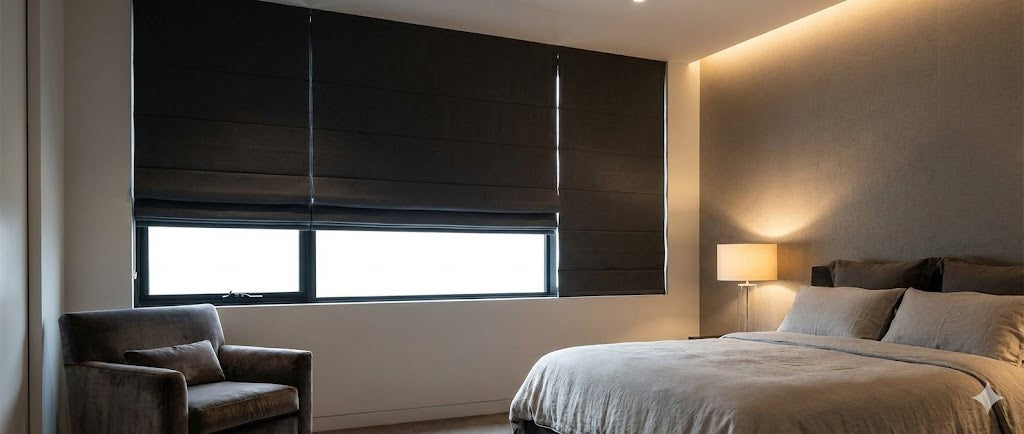
Decide where the shade will mount, how much of the opening it should cover and how the folds should appear when raised. Record the finished width and height before calculating material quantities.
Choose compatible layers
A typical project uses a decorative face material and a light-blocking lining. The layers should be compatible in weight, care method and construction. Test a small sample before sewing because needle holes, seams and fold points can affect appearance and light control.
Prepare and assemble
- Square the materials before cutting.
- Keep hems and side returns consistent.
- Mark fold and attachment positions carefully.
- Check that the panel hangs evenly before completing the operating system.
Installation and safety
Use mounting hardware suitable for the wall or frame material. Follow the hardware and control-system instructions. Window-covering cords and loops can present a hazard, particularly around children and pets; use appropriate safety devices and keep controls secured.
Set realistic light-control expectations
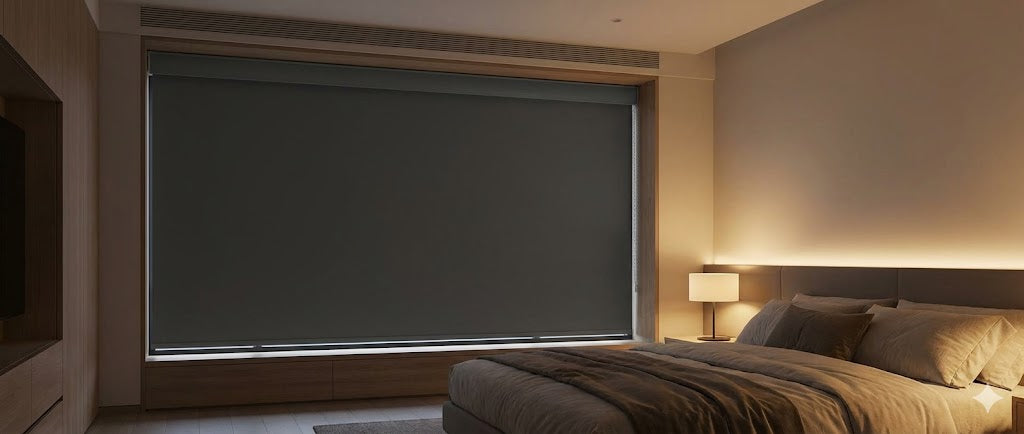
The material may limit light through the panel while light remains visible at the perimeter. Greater overlap or a suitable side-channel system can change perimeter coverage, but the available solution depends on the window and product design.
Editorial note: Prepared by the USADrapery editorial team for general product education. Light control, fit, appearance and installation requirements vary with the window, material, selected options and installation. Review the product page and confirmed order specifications before purchasing.
Explore made-to-measure options
For a made-to-measure alternative, review the available fabric, mount and control options before ordering.

Leave a comment
This site is protected by hCaptcha and the hCaptcha Privacy Policy and Terms of Service apply.